Category: My Blog

The Transformative Role of Technology in Medicine

Technology has undeniably transformed every aspect of our lives, with medicine being no exception. From diagnosis and treatment to patient care and management, the integration of technology has revolutionized the healthcare industry. In this blog post, we explore the profound impact of technology on medicine and how it continues to shape the future.

The Diagnosis Revolution

In the past, diagnosing illnesses and diseases was a time-consuming and often inaccurate process. However, with the advent of advanced technologies, diagnosis has become more efficient, accurate, and faster than ever before. Cutting-edge imaging techniques like Magnetic Resonance Imaging (MRI), Computed Tomography (CT), and Ultrasound have revolutionized medical imaging, allowing doctors to visualize the internal structures of the body non-invasively. These technologies enable early detection of diseases such as cancer, enabling timely interventions and improving patient outcomes.

Precision Treatment and Personalized Medicine

Thanks to technological advancements, the field of medicine has transitioned from a one-size-fits-all approach to personalized treatment plans. Genomics, for example, has played a pivotal role in personalized medicine. By analyzing an individual’s genetic makeup, doctors can determine the most effective medications and treatment strategies tailored to that person’s unique genetic profile. Pharmacogenomics, a subdiscipline of genomics, helps predict an individual’s response to specific medications, reducing adverse reactions and optimizing treatment outcomes.

Enhancing Patient Care and Management

The integration of technology in healthcare has significantly improved patient care and management. Electronic Health Records (EHRs) streamline and centralize patient information, making it easily accessible across healthcare providers. This facilitates better coordination of care, reduces medical errors, and enhances patient safety. Additionally, telemedicine has emerged as a critical technology in providing remote healthcare services, enabling patients to consult with physicians from the comfort of their homes. This technology has proved especially useful during the COVID-19 pandemic, ensuring continuity of care while minimizing the risk of viral transmission.

The Future of Medicine

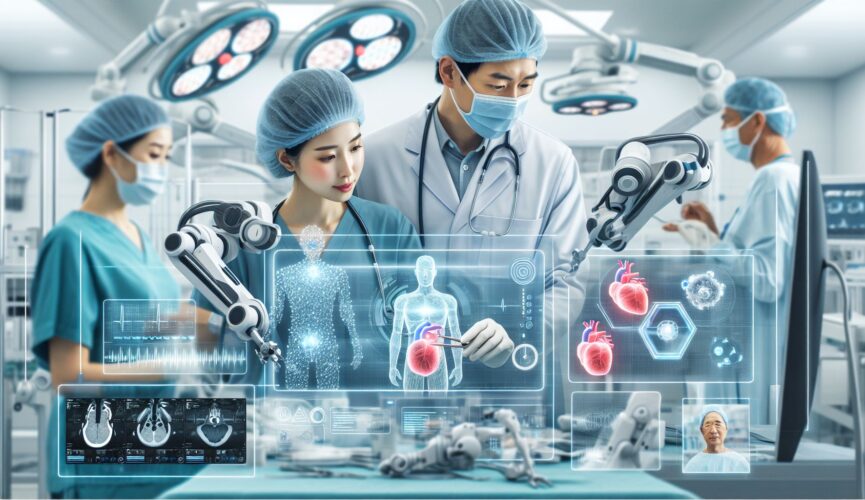
As technology continues to advance, the future of medicine holds even more possibilities. Artificial Intelligence (AI) is poised to play a pivotal role in healthcare. AI algorithms can mine vast amounts of medical data to identify patterns and predict outcomes, significantly improving diagnosis and treatment planning. Robotics and automation are also set to revolutionize surgery, making procedures less invasive and enabling faster recovery times. Furthermore, wearable devices and mobile apps that monitor vital signs and collect health data in real-time will empower individuals to take charge of their health and enable proactive interventions.

In conclusion, the integration of technology in medicine has brought transformative changes to the healthcare industry. From expediting diagnoses to enabling personalized treatment plans and enhancing patient care, the impact is undeniable. As we stand on the brink of a new era, it is crucial to embrace and leverage technology’s potential to shape a healthier future for all.
The Intersection of Technology and Medicine: Advancements that are Revolutionizing Healthcare


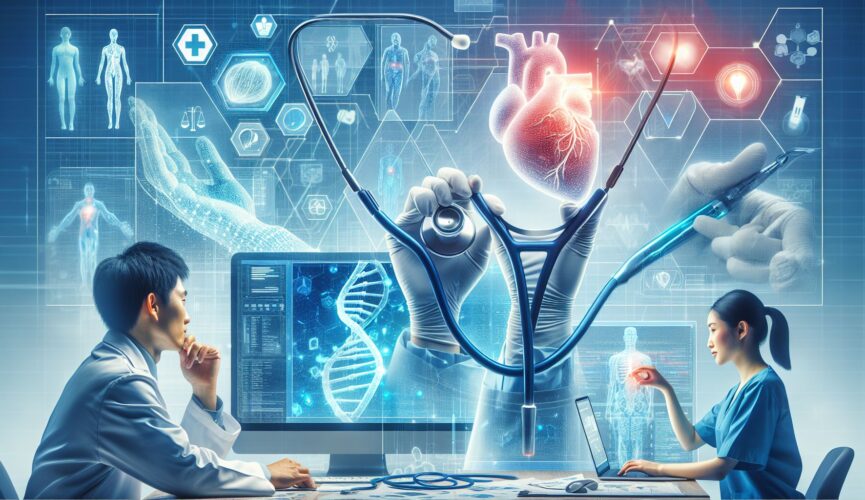
Technology has had a profound impact on various aspects of our lives, and medicine is no exception. From enhancing patient care to revolutionizing diagnostic capabilities, the field of healthcare has benefitted immensely from technological advancements. The marriage of technology and medicine has opened up a world of possibilities, transforming the way diseases are prevented, diagnosed, and treated. In this blog post, we will explore some of the notable ways in which technology is shaping the future of medicine.

Enhanced Diagnostic Capabilities

One of the significant breakthroughs in the medical field is the use of cutting-edge technology for accurate and swift diagnostics. Advanced imaging techniques such as Magnetic Resonance Imaging (MRI), Computed Tomography (CT), and Positron Emission Tomography (PET) scans allow healthcare professionals to visualize internal organs and detect anomalies with exceptional precision. Moreover, computer-aided diagnosis systems analyze medical images, helping radiologists to identify potential abnormalities that might have otherwise gone unnoticed. This integration of technology not only saves time but also improves diagnostic accuracy, thus enabling prompt and effective treatment.

Telemedicine: Healthcare from Afar

The advent of telemedicine has broken barriers in providing healthcare services in remote areas. With the help of teleconferencing tools, doctors can now remotely examine patients, offer consultations, and even monitor their vital signs. This innovation has revolutionized healthcare delivery, particularly for those who reside in rural or medically underserved areas. Furthermore, telemedicine has proven to be a lifeline during emergencies and natural disasters when accessibility to medical facilities is limited. Patients can connect with physicians virtually, ensuring immediate medical attention and timely intervention.

Wearable Devices for Personal Healthcare

The rise of wearable health technology has given individuals unprecedented control over their personal healthcare. Devices such as fitness trackers, smartwatches, and health-monitoring apps have become widely popular, empowering individuals to monitor their vital signs, physical activity, and sleep patterns. This valuable data can be shared with healthcare professionals, providing them with a deeper understanding of the patient’s health and enabling them to personalize treatment plans accordingly. By encouraging real-time monitoring, wearable devices promote preventive healthcare, allowing potential health issues to be addressed before they escalate into major concerns.

Robotics: Revolutionizing Surgery

Robot-assisted surgery has emerged as a game-changer in the medical field. With the precision and dexterity of robotic arms, surgeons are now capable of performing complex procedures with enhanced precision, minimizing the invasiveness of surgical intervention. The use of robot-assisted surgery has resulted in reduced blood loss, smaller incisions, shorter recovery times, and lower rates of complications. By ensuring greater surgical precision, robotics contributes to improved patient outcomes and a faster return to normalcy.

In conclusion, technology has become an indispensable part of medicine, playing a pivotal role in transforming healthcare as we know it. From improving diagnostics and enabling remote healthcare services to empowering individuals with wearable devices and revolutionizing surgical techniques, the fusion of technology and medicine continues to revolutionize the field. As technology continues to evolve, we can expect to witness even more groundbreaking advancements that will shape the future of healthcare – ultimately leading to better patient outcomes and a healthier society overall.